Grimsthorpe Castle


Contact: Ray Biggs,
Grimsthorpe Estate Office,
Bourne, PE10 0LY.

Click here to email
Tel: +44 (0)1778 591205
Fax: +44 (0)1778 591259

Cookies Policy

The Grimsthorpe & Drummond Castle Trust is a charity registered in Scotland (SC039364) and in England & Wales (507478)

The Castle, Park and Gardens
image
Veiw of the approach to Grimsthorpe Castle
text

The history of the Castle

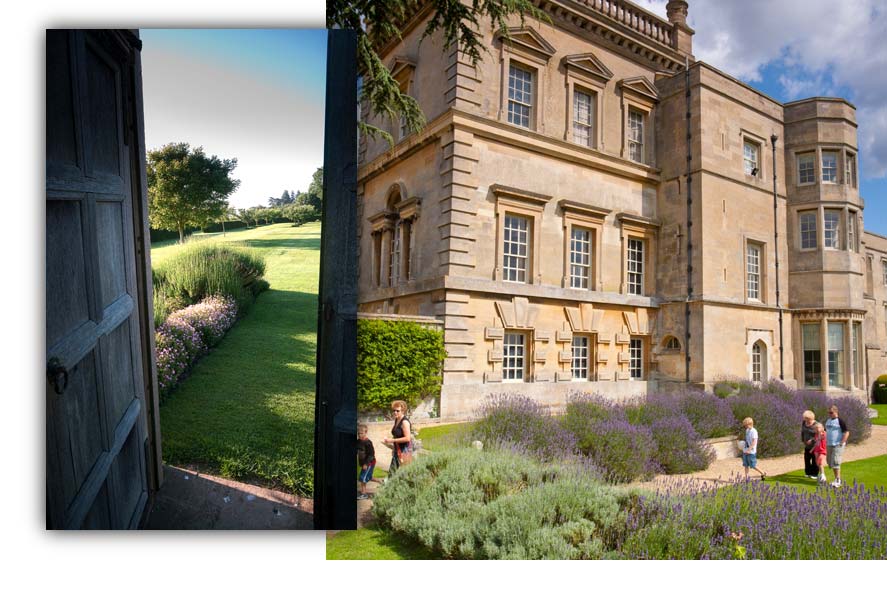
The Castle is the centrepiece of the estate. It is a large quadrangular house with a central courtyard. Each section has a different appearance, reflecting the different architectural styles that have been employed here since building began in the 13th century.

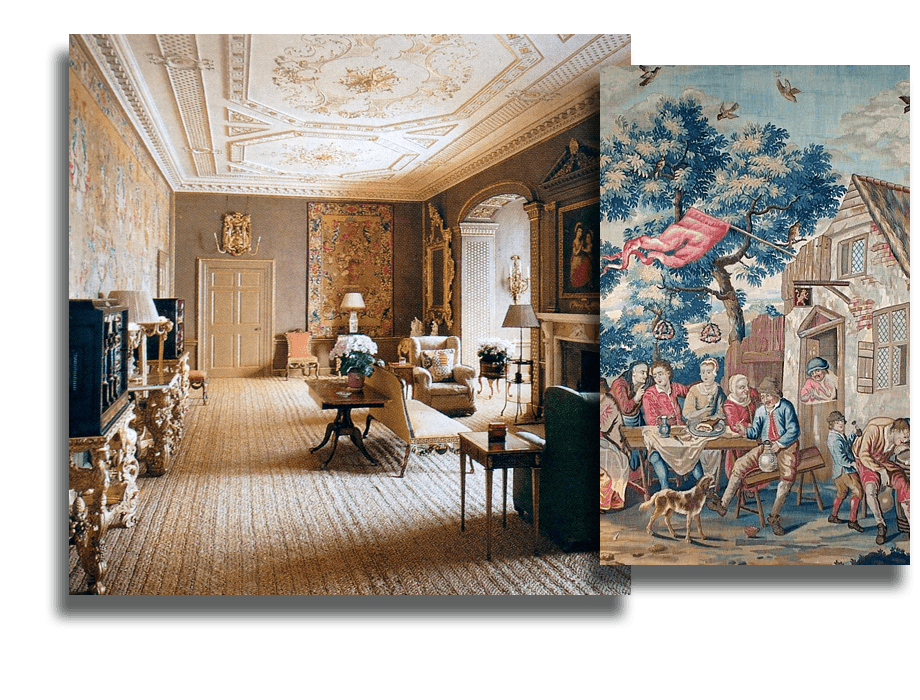
Once inside you can see the collection of paintings, furniture, tapestries and objects d'art that fill the state rooms. Thrones and furnishings from the House of Lords are some of the more unusual items on view.

A Castle built for a King. Grimsthorpe has been the home of the de Eresby family since 1516, when it was granted by Henry VIII to the 11th Baron Willoughby de Eresby on the occasion of his marriage to Maria de Salinas, lady-in-waiting to Queen Katherine of Aragon.

The North Front is the last work of Sir John Vanbrugh. It was commissioned in 1715 by his friend Robert Bertie, the 17th Baron Willoughby de Eresby, to celebrate his enoblement as the first Duke of Ancaster and Kesteven.

Grimsthorpe's historical connection
. The collection of fine furniture associated with the Willoughby de Eresby's hereditary Office as Lord Great Chamberlains to the Palace of Westminster, including thrones and furnishings from the old House of Lords, can be seen in the suite of state rooms along with family portraits and those of the monarchs they served.

text

The Gardens
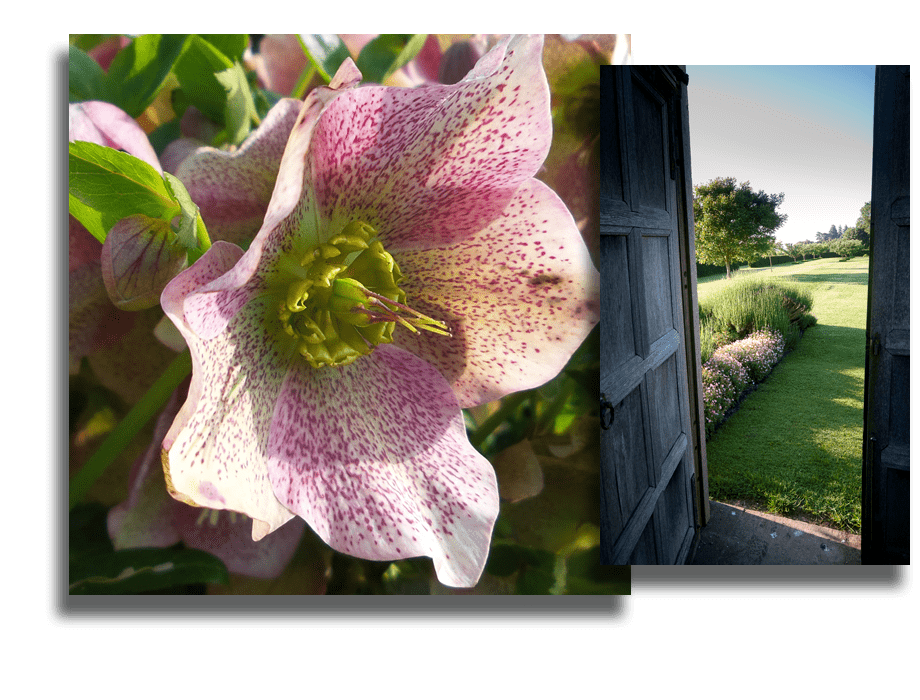
Gardens surround the Castle on three sides. To the South lies a formal lawn with topiary squares beyond. These contain small ornamental pools. Further from the Castle the garden becomes a semi-wild woodland garden, filled with spring bulbs. If you venture beyond this you will arrive at the Head Gardener's own garden. You are welcome to view it, including his mini arboretum.

To the West of the Castle a long herbaceous border provides colour during the summer months. The neatly trimmed yew hedge is cut low enough to give spectacular views to the lake.

On the East of the Castle a formal rose parterre is lined with small box hedges. Beyond it lies a walled kitchen garden. This ornamental fruit and vegetable garden is a haven of tranquility on a quiet summer afternoon. It contains apple and pear espaliers and a collection of Quince and Medlar trees.

Parents: please note that there are two small ornamental ponds in the gardens and a fountain in the main courtyard. Young children should be supervised at all times, particularly when close to the water features mentioned above.

Dogs are not allowed in the formal gardens, but can be walked (on leads) in the park.

image
Old Oaks
text

Forest to Park
Grimsthorpe Park was the southern edge of the great Lincolnshire forest. Oak trees that had been recorded in the Doomsday Book of 1086 were growing in the park when drawings of the park were made in the early 18th century. Some of these ancient trees were still growing here in the 20th century Oaks were felled during the Tudor period for ship building and again during Cromwell's ten year Commonwealth.

The oak trees you see today were planted after the restoration of the Stuart Monarchy, the straight ridings through the trees creating a formal park. The Four Mile Riding was a double planted oak avenue which ran from the Castle to the boundary of the Park. The formal pattern of the ridings remains, though some have been replanted as chestnut avenues.
In the 18th century the open Vaudey became the 'Foal Field Race' with gallops for training the 3rd Duke of Ancaster's racehorses. In the 1920s the Vaudey was used as a 9 hole golf course, and served as a bombing range during the Second World War. Nowadays the Vaudey is farmed.

image
Dead Tree
multipleimages
CALENDAR OF EVENTS
THE PARK IN PICTURES
LET US KEEP YOU INFORMED
Vaudey Abbey
In the 12th century the park at Grimsthorpe was still covered in dense woodland, and it is thought that the Earl of Albemarle granted the use of this land to the Cistercian Order of monks. They sent an abbot and 13 monks from Fountains Abbey to clear the land and build. The monks called the area Vallis Dei, meaning the valley of God, today known as The Vaudey.